Darknet Research Hub
Nexus Onion
Market Guide
An informational resource dedicated to documenting the Nexus Onion market environment — covering operational security, cryptocurrency usage, and verified access methods.
Market Overview
What Is
Nexus Market?
Nexus Market is one of the most established darknet marketplaces operating on the Tor network. Known for its strict vendor verification, multi-signature escrow, and privacy-first approach, it has become a reference point in darknet marketplace research.
Operating since mid-2024, Nexus Market has quickly grown into a prominent platform within the anonymous marketplace ecosystem. The platform runs exclusively on the Tor network — accessible only through its verified Nexus Onion address — and was built from the ground up with operational security as a core design principle.
Unlike earlier generation markets, Nexus Darknet Market implements mandatory PGP encryption for all vendor communications, a three-tier dispute resolution system, and a sophisticated feedback mechanism that allows buyers to rate vendors across multiple criteria including shipping reliability, product accuracy, and communication quality.
This informational resource documents the platform's publicly known features, security architecture, and operational structure based on open-source research and community reports. The Nexus URL and verified access links are maintained on our dedicated access page to ensure users can identify the authentic platform versus known phishing attempts.
Full Market Overview →Multi-Sig Escrow
Funds held in 2-of-3 multisig until delivery confirmed
Vendor Vetting
Identity verification and bond system for all vendors
PGP Mandatory
Encrypted communications required for all transactions
Rating System
Transparent multi-criteria vendor rating mechanism
Platform Features
6 Core
Market Features
What makes Nexus Market stand apart from other darknet marketplaces — a feature-by-feature breakdown based on public documentation.
Multi-Sig Escrow
All transactions are secured by a 2-of-3 multi-signature Bitcoin or XMR escrow. Funds are only released when the buyer confirms successful delivery, protecting both parties from fraud.
Vendor Verification
Every vendor must post a financial bond and undergo identity verification before listing products. This barrier to entry significantly reduces exit scam risk and bad actors.

PGP Encryption
End-to-end encrypted messaging is mandatory for all vendor communications. Every message is encrypted to the recipient's public PGP key, preventing interception.
Multi-Coin Support
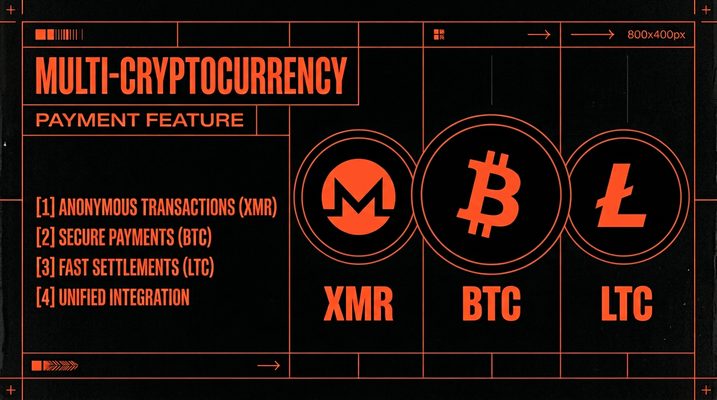
Supports Monero (XMR), Bitcoin (BTC), and Litecoin (LTC). Monero is strongly recommended for maximum privacy due to its ring signatures and stealth addresses.
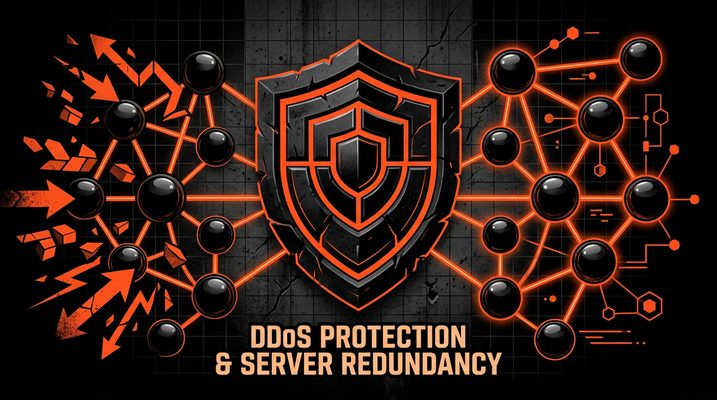
Anti-DDoS Protection
Multiple redundant .onion mirrors and a sophisticated load-balancing system protect the Nexus Onion platform from distributed denial-of-service attacks.
Dispute Resolution
A three-tier dispute resolution system with trained moderators handles conflicts between buyers and vendors. Resolution timelines average 48–72 hours based on case complexity.
Cryptocurrency
Accepted
Coins
Privacy-preserving cryptocurrency is the lifeblood of darknet marketplaces. Understanding the differences between accepted coins is essential for maintaining anonymity.
The history of privacy-focused digital currency begins with Bitcoin's creation in 2009, though Bitcoin itself offers only pseudonymous — not anonymous — transactions. All BTC transfers are permanently recorded on a public blockchain. This fundamental privacy gap led to the development of truly private alternatives. Monero (XMR), launched in 2014, pioneered ring signatures, stealth addresses, and RingCT to make transactions computationally untraceable by default. Litecoin (LTC) offers faster confirmation times and lower fees, while Bitcoin remains the most widely accepted option despite privacy trade-offs.
The gold standard for privacy. Ring signatures, stealth addresses, and RingCT make every transaction untraceable and unlinkable by default. No address reuse vulnerabilities, no transaction graph analysis possible.
Complete XMR Guide →The original cryptocurrency. Widely accepted but only pseudonymous — all transactions are publicly visible on the blockchain. Requires significant additional steps (CoinJoin, mixers) for adequate privacy.
BTC Privacy Guide →Faster confirmations (2.5 min vs 10 min) and lower fees than Bitcoin. Similar privacy characteristics — pseudonymous, not anonymous. MimbleWimble extension adds optional confidential transactions.
LTC Privacy Guide →Including: how to buy, how to use, privacy best practices
Latest Updates
Market News
Nexus Market Launches New Monero Direct Payment System
Security Update: Enhanced PGP Verification For All Vendors
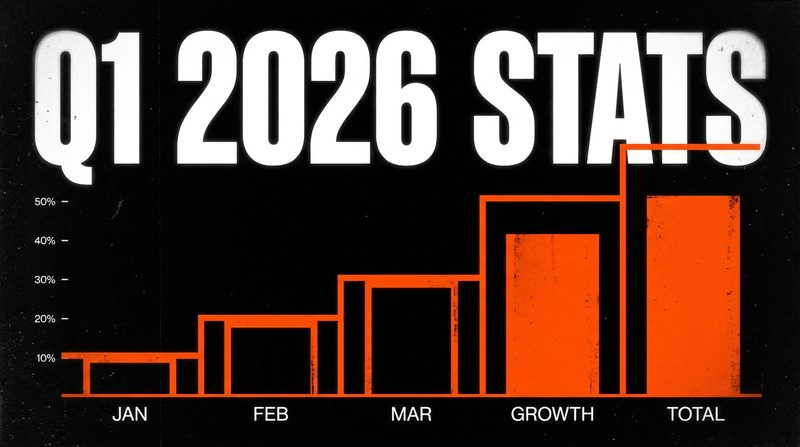
Market Statistics Q1 2026: Growth and Activity Report

How Nexus Market Compares to Other Darknet Markets in 2026

New Vendor Onboarding: What You Need to Know
OPSEC Best Practices Updated for 2026 — Full Threat Model
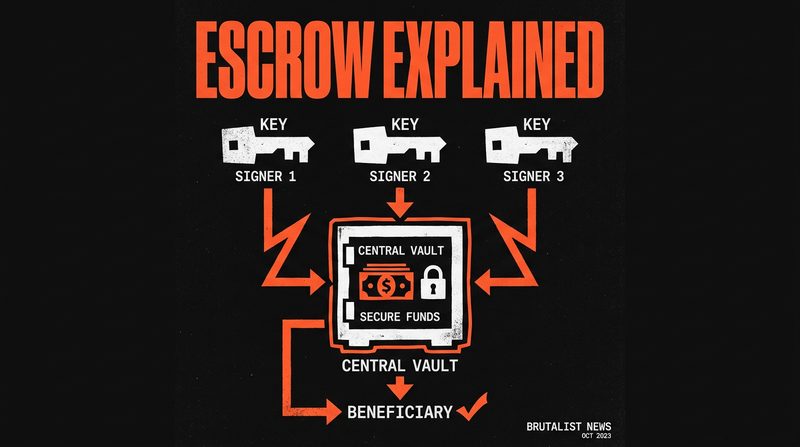
Understanding Nexus Market's Escrow System In Depth
Nexus Darknet Market Adds Full LTC Support With Lower Fees

End of Year Security Audit Results — 2025 Report
Safety First
Drug Harm
Reduction
Evidence-based harm reduction principles drawn from public health organizations. Knowledge saves lives — regardless of legal status.
Test Before You Use
Always use reagent testing kits to verify substance identity. Fentanyl contamination is widespread and a leading cause of overdose deaths. Test strips are cheap and could save your life.
Start Low, Go Slow
New batch? Treat it as unknown potency. Start with a fraction of your usual dose and wait to assess effects before redosing. Tolerance varies dramatically between batches.
Never Use Alone
If using alone is unavoidable, use the Never Use Alone hotline (1-800-484-3731 in the US) — a real-time service where a person stays on the line and calls for help if you stop responding.
Carry Naloxone
Naloxone (Narcan) reverses opioid overdoses within minutes. It is available without a prescription in most US states. Carry it, know how to use it, and ensure those around you do too.
Avoid Mixing Substances
Polysubstance use dramatically increases overdose risk. Combining depressants (opioids + benzos + alcohol) is particularly dangerous as they compound respiratory depression.
Know Overdose Signs
Opioid OD: slow/stopped breathing, blue lips, unresponsive. Stimulant OD: chest pain, seizures, extreme agitation. Act immediately — call emergency services without delay.
Operational Security
Stay
Anonymous
Understanding operational security is critical for anyone researching or using darknet platforms. These are the fundamentals.
Why OPSEC Matters
- Every digital action leaves metadata trails that can identify you even without encryption failures.
- Law enforcement increasingly uses traffic correlation attacks and blockchain analysis rather than server seizures.
- A single moment of carelessness — like logging into personal accounts over Tor — can de-anonymize your entire history.
- Exit nodes on Tor can monitor unencrypted traffic — always use .onion addresses end-to-end.
- Hardware identifiers, browser fingerprinting, and JavaScript can bypass Tor anonymity if not properly controlled.
Essential Tools
- Tor Browser — the only browser to use for .onion sites. Never use a VPN with Tor.
- Tails OS — amnesic live operating system that leaves no trace on the host machine.
- Whonix — dual-VM Tor workstation for advanced users requiring persistent storage.
- GPG/PGP — end-to-end encryption for all vendor communications. Non-negotiable.
- Monero (XMR) — untraceable cryptocurrency, the standard for privacy-conscious transactions.
Red Flags to Avoid
- Never access darknet markets from a personal device or home network under your real identity.
- Never reuse usernames, passwords, or cryptocurrency addresses across platforms.
- Never discuss purchases on clearnet platforms like Reddit, Discord, or social media.
- Never use Bitcoin without extensive mixing — blockchain analysis firms can trace most BTC flows.
- Never click unverified links — phishing sites are near-identical to legitimate markets.
What Protects You
- Compartmentalization — separate identities, devices, and sessions for darknet activity.
- End-to-end PGP encryption for all sensitive communications with vendors.
- Monero for all transactions — it is private by default, not by option.
- Verified .onion URLs from the official Nexus Market signed announcements.
- Regular security hygiene: fresh sessions, no persistent cookies, JavaScript disabled where possible.
Stay Safe
Don't Get
Phished
Phishing is the #1 threat to darknet market users. Fake sites look identical to the real thing. Only access Nexus Market via verified, PGP-signed links. Never trust a URL shared on forums, Telegram, or social media without verifying the signature.
PGP-verified · Updated regularly
Quick Answers
Frequently
Asked
Based on publicly available information and community reports, Nexus Market maintains active operations with consistent uptime. Check our news section for the latest status updates.
Nexus Market is a darknet marketplace operating on the Tor network, accessible via its .onion address. It provides a platform for anonymous peer-to-peer transactions and is known for its robust escrow system and vendor verification process.
Yes, Nexus Market fully supports Monero as a primary payment method. XMR is preferred by privacy-conscious users because transactions are untraceable by design, unlike Bitcoin.
Nexus Darknet Market distinguishes itself through multi-signature escrow, mandatory PGP for vendors, an active dispute resolution system, and strong anti-phishing measures including signed URLs.
Nexus Market accepts Monero (XMR), Bitcoin (BTC), and Litecoin (LTC). Monero is the recommended option due to its privacy-first design and untraceable transaction history.
40+ questions answered in detail