Understanding Nexus Market's Multi-Sig Escrow System In Depth
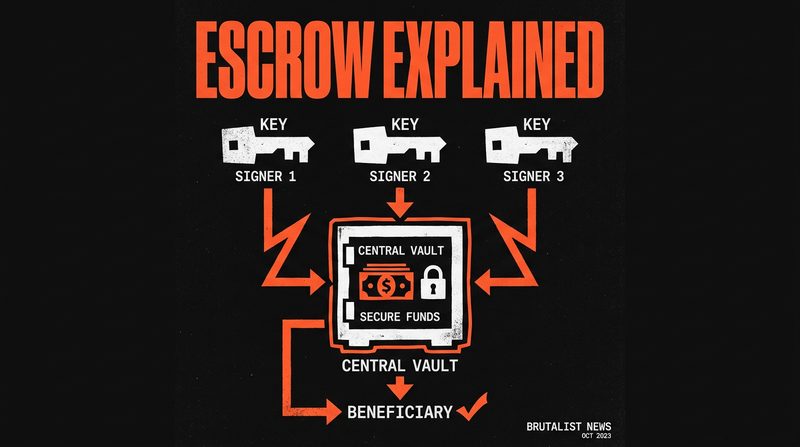
Multi-signature escrow is widely cited as a security feature, but few market participants fully understand how it works or why it matters. This guide explains the mechanics of Nexus Market's 2-of-3 multi-sig escrow in technical and practical terms.
Traditional Escrow vs Multi-Sig Escrow
In a traditional escrow system, the marketplace holds buyer funds in a platform-controlled account until delivery is confirmed. This model has a critical vulnerability: it requires trusting the platform completely. If the marketplace operators decide to exit-scam, receive a law enforcement seizure order, or are otherwise forced to act against user interests, the entire fund pool is at risk. Many famous darknet market collapses involved operators simply withdrawing the escrow wallets.
Multi-signature escrow eliminates this single point of failure by requiring cryptographic signatures from multiple independent parties to release funds. In Nexus Market's 2-of-3 implementation:
- Key 1: Buyer's key (generated at order time, held by buyer)
- Key 2: Vendor's key (held by vendor)
- Key 3: Market's key (held by the platform)
Normal Transaction Flow
For a standard successful transaction, the buyer and vendor co-sign the release transaction (2-of-3 signatures: buyer + vendor). The market's key is never used. This means that even if the marketplace servers are seized or the operators disappear, your funds cannot be stolen by the market alone — they would need either the buyer's or vendor's key as well.
Dispute Resolution
When buyer and vendor cannot agree (no delivery, wrong item, etc.), either party can open a dispute. The dispute resolution process gathers evidence from both parties, and the moderator's decision is enforced by the market providing its key to co-sign a resolution transaction together with the winning party's key. This enables fair resolution without requiring either buyer or vendor to trust the market with absolute control.
Limitations to Understand
Multi-sig escrow protects against platform exit scams but does not eliminate all risks. Vendor-side exit scams (vendor takes payment then disappears before dispute resolution window expires) remain possible. The vendor bond system and reputation metrics are designed to minimize this risk through economic incentives, but no system is fully foolproof. Always wait for delivery confirmation before closing escrow.